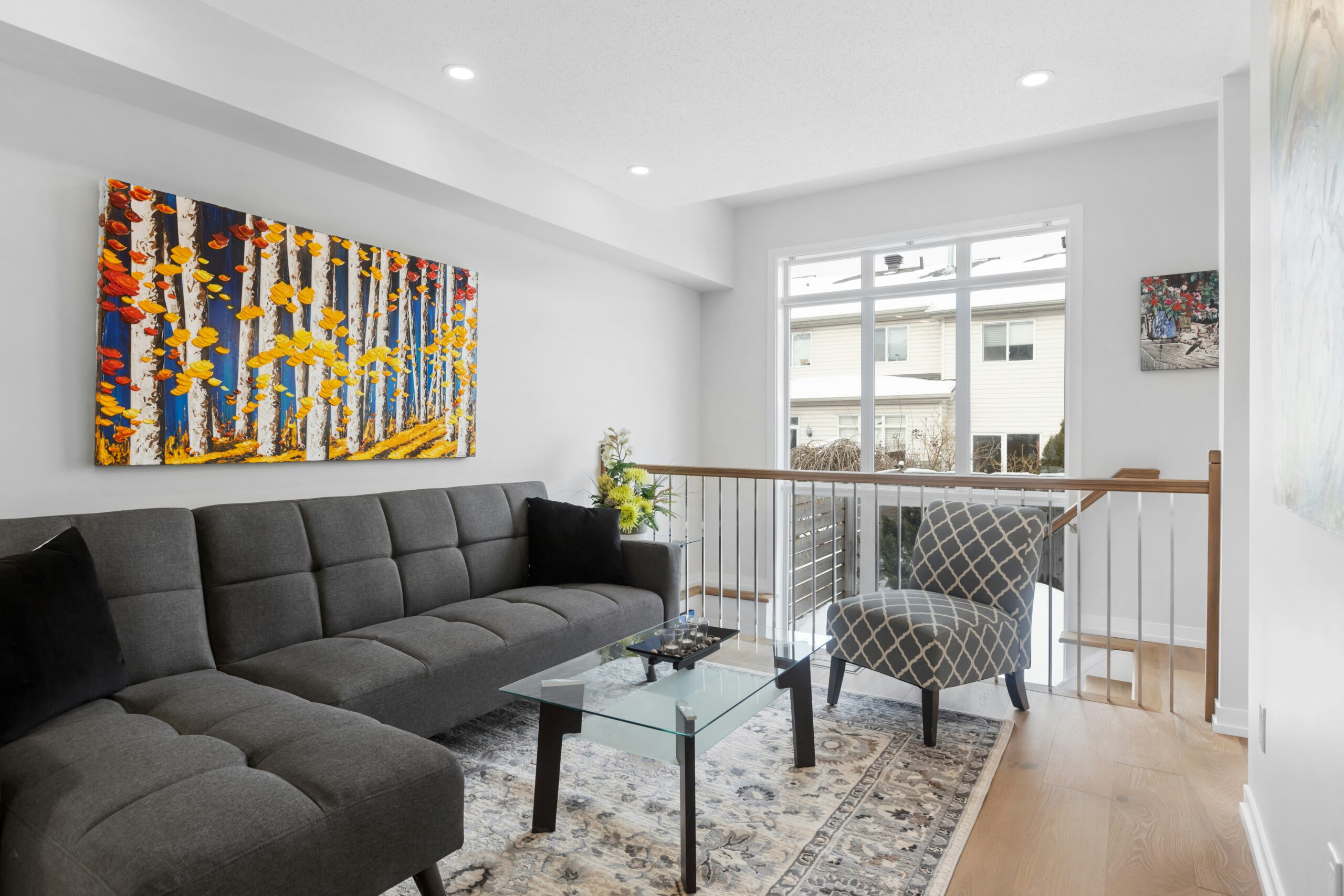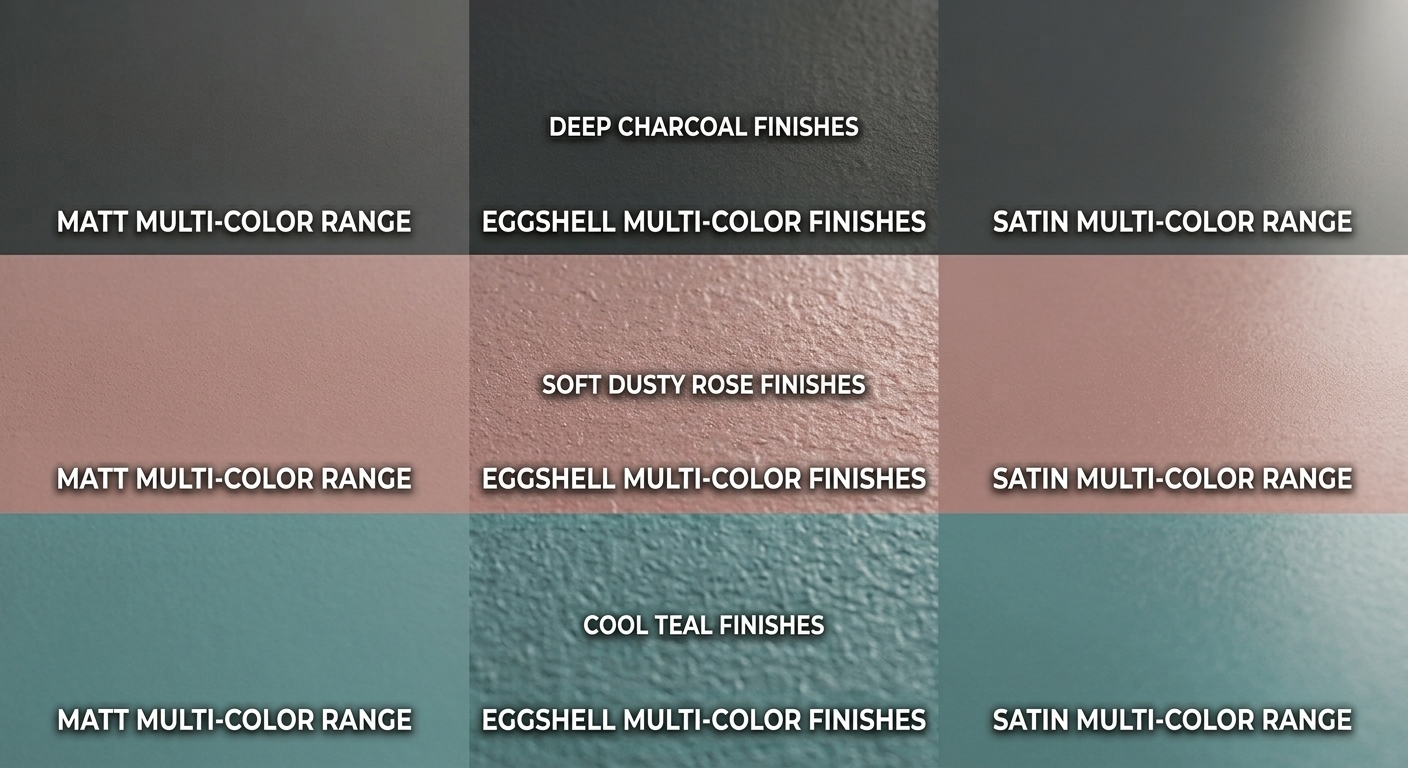


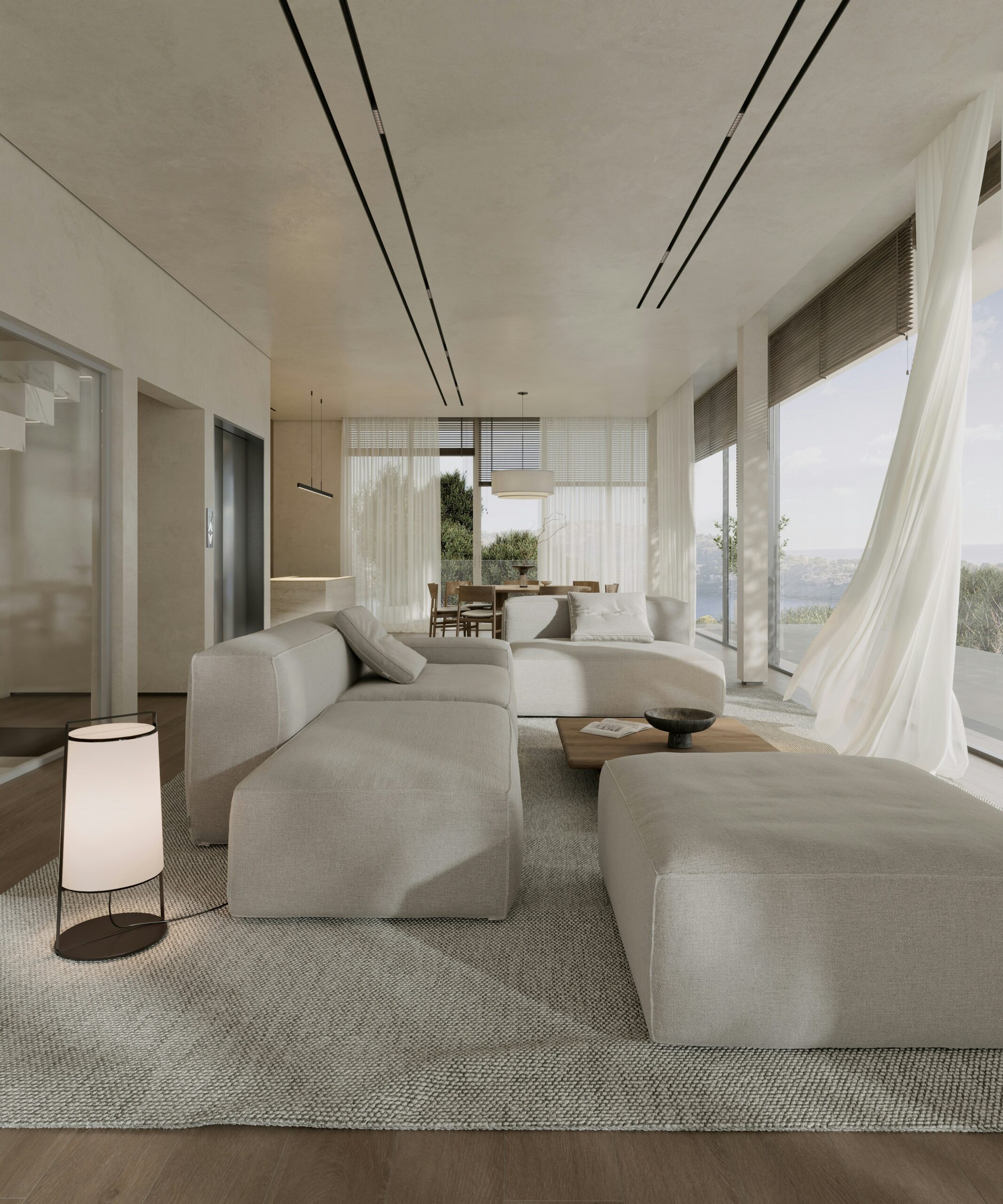
How to choose the right paint colour for your home depends on several factors, including natural light, room size, existing furniture and the atmosphere you want to create.
Before choosing a colour, it is important to consider the amount of natural light in the room, the size of the space, existing furniture and flooring, and how you want the room to feel.
Paint colours can also look very different depending on the time of day and the lighting in your home, so testing colours before making a final decision is always worthwhile.
Start With the Light in the Room
Natural light has a major influence on how a paint colour will look. A shade that appears warm and soft in a bright south-facing room may look cooler or darker in a room with less daylight.
Before choosing a final colour, look at how the room changes throughout the day and consider whether the space needs to feel brighter, warmer or more balanced.
Consider the Size and Purpose of the Room
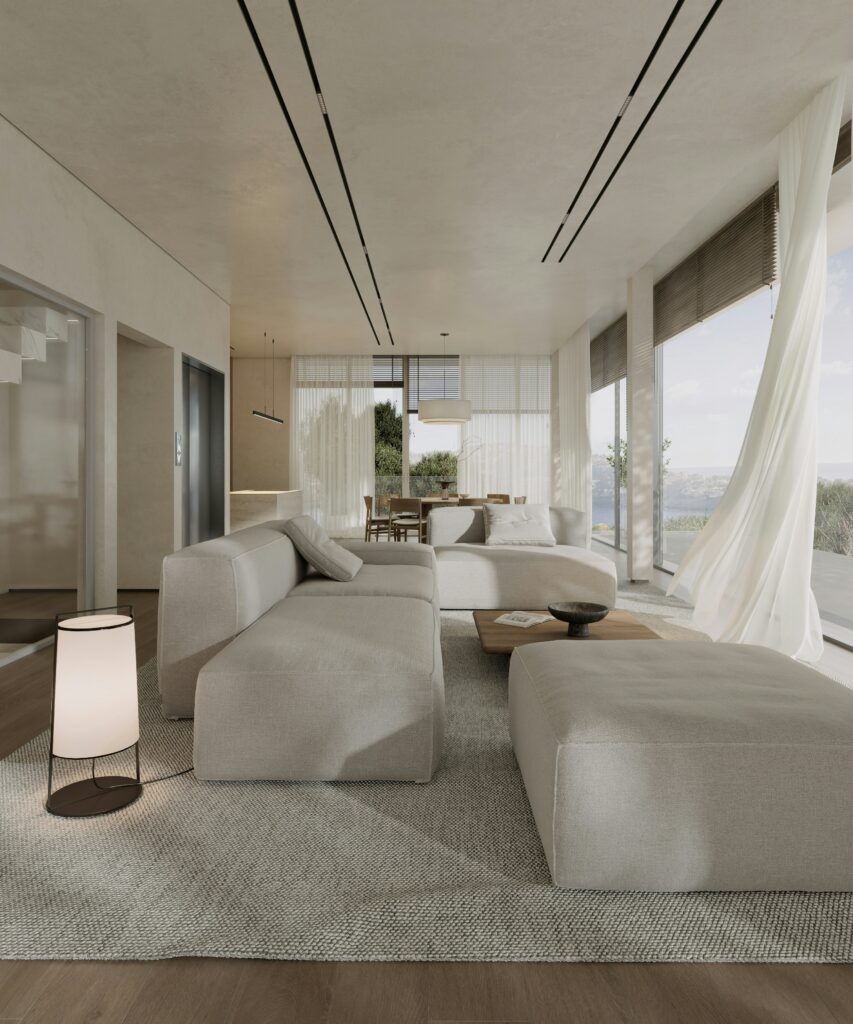
Smaller rooms can often benefit from lighter colours, which help reflect more light and create a more open feel. Darker shades can work beautifully too, especially when you want to create a more dramatic, cosy or intimate atmosphere.
It is also worth thinking about how the room is used. Calm, softer colours may work well in bedrooms and living rooms, while kitchens, hallways and social spaces can handle stronger or more energetic shades.
Always Test Paint Colours Before Deciding
Paint colours can look very different on a small sample card compared with a full wall. Light, surrounding colours and even the direction the room faces can all change how a shade appears.
Before making a final decision, test a few colours directly on the wall and look at them at different times of day. This makes it much easier to see which shade works best in the actual room.
Think About Existing Furniture and Flooring
The colour of your flooring, furniture, curtains and other fixed elements should all be considered before choosing a wall colour. A shade that looks perfect on its own may clash with warm wood, cool flooring or existing fabrics once it is used across the whole room.
Try to choose colours that complement the finishes already in the space rather than compete with them. This usually creates a more balanced and cohesive interior.
Pay Attention to Undertones
Two colours can look similar on a paint chart but behave very differently once they are on the wall. Many whites, greys and beiges have subtle warm or cool undertones that become more noticeable alongside flooring, furniture and natural light.
Comparing a few samples next to the existing finishes in the room can help you avoid choosing a colour that suddenly appears too yellow, blue, pink or grey.
Use Colour to Create the Right Mood
Colour has a strong influence on the atmosphere of a room. Soft neutrals and warm tones can create a calm, welcoming feel, while deeper colours can add character and make a space feel more dramatic or cosy.
Think about how you want the room to feel before choosing a final shade. A colour that suits the purpose and mood of the space will usually work better than simply following a current trend.
Keep the Colour Scheme Consistent
If you are decorating more than one room, it helps to think about how the colours will work together throughout the home. Using related tones or a consistent palette can create a smoother flow between spaces.
You do not need to use the same colour everywhere, but choosing shades that complement one another usually gives the property a more considered and cohesive look.
Need Help Choosing the Right Paint Colour?
Choosing the right colour can take time, especially when lighting, existing finishes and the character of the property all need to work together.
J&D Painters & Decorators can help with professional interior painting and decorating throughout Edinburgh, from colour selection and preparation through to the final finish.